Source Ultra Fine Wood Milling Machine for Cabinets, Furniture, and Decor
Compare 30 ultra fine wood milling machines from verified Chinese suppliers. Buyers can evaluate specifications like spindle power, travel dimensions, and automation levels to find the right equipment for cabinetry, furniture, and decorative woodworking projects; compare the available evidence and request quotations based on your requirements.
Key considerations
Products List


Comprehensive Sourcing Guide
Ultra Fine Wood Milling Machine Sourcing Guide
Procuring an ultra fine wood milling machine requires a strategic approach to balancing precision engineering with industrial throughput capabilities. Buyers must first define the specific material characteristics, such as density and moisture content, to ensure the selected equipment can handle the required feed rates without compromising surface finish quality. The market offers a variety of configurations, from single-spindle units to complex double-spindle systems, each tailored to different production volumes and geometric complexities. Understanding these mechanical distinctions is critical for aligning capital expenditure with long-term operational efficiency.
The sourcing process also demands careful evaluation of control systems and automation levels, as these factors directly influence labor costs and error rates. Modern machines often feature CNC controlling modes that allow for intricate programming and consistent repeatability, which are essential for high-precision woodworking applications. Buyers should prioritize suppliers who provide transparent technical documentation and customizable options, ensuring the machine can be adapted to unique workflow requirements. This foundational understanding sets the stage for a more detailed analysis of technical specifications and commercial terms.
Product Scope and Observed Listing Signals
The current market landscape for ultra fine wood milling machines reveals a diverse range of offerings, with observed price points spanning from approximately $150 to $120,000 USD. This wide variance reflects differences in machine complexity, brand reputation, and included features such as automated feeding systems or advanced spindle configurations. Listings frequently indicate a minimum order quantity (MOQ) ranging from one to ten units, suggesting that suppliers are flexible in accommodating both pilot projects and larger industrial deployments. Buyers should interpret these signals as indicators of market segmentation rather than fixed pricing structures.
Observed product attributes highlight significant variations in physical dimensions and power requirements, which are crucial for facility planning. For instance, some models feature vertical spindle layouts with double-spindle setups, while others utilize horizontal configurations optimized for specific material thicknesses. Power consumption can vary substantially, with total power ratings observed around 21.2 kW or 46.6 kW, depending on the number of spindles and their individual motor capacities. These technical disparities necessitate a thorough review of each listing to ensure compatibility with existing factory infrastructure and energy supply constraints.
Technical Specifications to Verify
When evaluating technical specifications, buyers must closely examine the travel axes and working dimensions to ensure the machine accommodates the maximum size of the wood components being processed. Key metrics include the maximum travel on the X, Y, and Z axes, which determine the operational envelope of the milling head. Additionally, the spindle speed range, often observed between 12,000 and 18,000 RPM, is critical for achieving the desired surface finish and cutting efficiency. Verifying these parameters against production requirements prevents costly mismatches between machine capability and product design.
The configuration of the spindle motor and the overall machine weight are also vital indicators of performance and stability. High-power spindle motors, such as those rated at 5.5 kW or 7.5 kW per unit, provide the torque necessary for dense hardwoods or deep cuts. Furthermore, the net weight of the machine, which can range from 2,200 kg to 5,600 kg, impacts the need for specialized flooring and vibration dampening systems. Buyers should request detailed schematics to confirm that the machine’s footprint and power distribution align with their facility’s layout and electrical capacity.
Compliance and Safety Documentation
Ensuring that the milling machine meets relevant safety and quality certifications is a non-negotiable aspect of the procurement process. Common certifications observed in the market include CE and ISO standards, which indicate adherence to European safety directives and international quality management systems. Buyers must verify that the supplier provides valid certification documents for each unit, as these are often required for customs clearance and regulatory compliance in various jurisdictions. Failure to obtain proper documentation can lead to significant delays and legal liabilities.
Beyond certifications, buyers should assess the machine’s compliance with local occupational health and safety regulations, particularly regarding noise levels and dust extraction capabilities. Ultra fine wood milling generates significant particulate matter, necessitating robust filtration systems to protect worker health and maintain a clean working environment. Additionally, the machine’s electrical systems must comply with local voltage standards, such as 3-phase 380V, to prevent operational hazards. Requesting detailed safety manuals and emergency stop protocols from the supplier is essential for ensuring a safe installation and operation.
Cost Drivers and Commercial Terms
The total cost of ownership for an ultra fine wood milling machine extends beyond the initial purchase price, encompassing installation, training, and maintenance expenses. Factors such as the machine’s automation level, brand name, and customization options significantly influence the upfront cost. Buyers should also consider the packaging requirements, which may involve plywood cases or stretch film, as these affect shipping costs and potential damage risks during transit. Understanding these cost drivers allows for more accurate budgeting and financial planning.
Commercial terms, including warranty coverage and payment conditions, play a crucial role in mitigating procurement risks. A standard one-year warranty is commonly offered, providing protection against manufacturing defects and initial operational issues. Buyers should negotiate clear terms for extended warranty options and after-sales support, including the availability of spare parts and technical assistance. Additionally, clarifying the lead times and delivery schedules is essential for aligning the machine’s arrival with production schedules, ensuring minimal downtime during the transition period.
Supplier Qualification and Quality Control
Selecting a reliable supplier is paramount to ensuring the long-term success of the milling machine investment. Buyers should prioritize suppliers with a proven track record in manufacturing high-precision woodworking equipment, as evidenced by their product portfolios and customer testimonials. Verifying the supplier’s production capabilities, including their quality control processes and testing procedures, helps ensure that each machine meets the specified technical standards. This due diligence reduces the risk of receiving substandard equipment that may require extensive rework or replacement.
Quality control measures should also extend to the supplier’s supply chain management, ensuring that components are sourced from reputable manufacturers. Buyers should request detailed information about the machine’s construction materials, such as the type of steel used for the frame and the quality of the CNC components. Additionally, assessing the supplier’s commitment to continuous improvement and innovation can provide insights into their ability to support future upgrades and modifications. Establishing a strong relationship with a qualified supplier fosters trust and facilitates smoother communication throughout the procurement process.
Long-Term Procurement Checks
Long-term procurement success depends on the machine’s durability, ease of maintenance, and the supplier’s ongoing support capabilities. Buyers should evaluate the availability of spare parts and the supplier’s responsiveness to technical inquiries, as these factors directly impact operational uptime. Regular maintenance schedules and preventive care protocols should be established to extend the machine’s lifespan and maintain its precision. Investing in comprehensive training for operators and maintenance staff is also crucial for maximizing the machine’s performance and minimizing wear and tear.
Furthermore, buyers should monitor technological advancements in the ultra fine wood milling sector to ensure their equipment remains competitive. Suppliers who offer firmware updates, software enhancements, and modular upgrades can help extend the machine’s relevance and utility over time. Establishing a long-term partnership with a supplier who is committed to innovation and customer satisfaction ensures that the procurement investment continues to deliver value. Regularly reviewing performance metrics and seeking feedback from operators can identify areas for improvement and inform future purchasing decisions.
FAQs
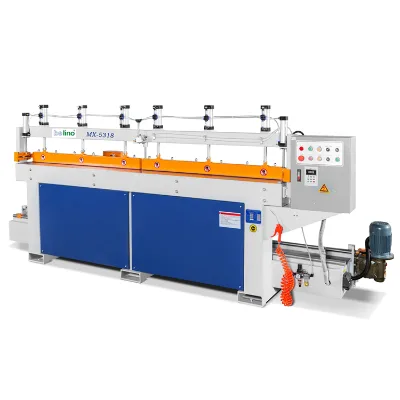
What are the key specifications for the MX-5318 model?
The MX-5318 model features a vertical double-spindle layout with a 1650mm X-axis travel and 1300mm Y-axis travel. It supports a maximum working length of 1200mm and width of 190mm. The spindle speed ranges from 12000 to 18000r/Min, powered by 5.5kw motors, ensuring efficient processing for various wood milling applications.
Can the machine be customized for specific production needs?
Yes, customization is available for this equipment. Buyers can request tailored configurations to match specific operational requirements. The machine supports CNC controlling modes and mechanical feed systems, allowing for precise adjustments. This flexibility ensures the equipment integrates smoothly into existing production lines while maintaining high performance standards.
What certifications does the ultra fine wood milling machine hold?
The machines hold CE and ISO certifications, ensuring compliance with international safety and quality standards. These certifications verify that the equipment meets rigorous manufacturing criteria. Buyers can rely on these documented standards for regulatory compliance in various markets, facilitating smoother import processes and ensuring operational safety for industrial environments.
What is the net weight and overall size of the KMSK1219A?
The KMSK1219A has a net weight of 5600kg and standard dimensions of 4100*3200*2720mm. This substantial size supports its heavy-duty vertical spindle design. The weight ensures stability during high-speed operations, while the dimensions accommodate the large travel axes, making it suitable for processing substantial wood materials in industrial settings.
How does the WARDWIN model differ in power consumption?
The WARDWIN model utilizes a 2*7.5kw spindle motor configuration, providing robust power for precision milling. It operates on a 3-phase 380V electric supply. This setup ensures consistent performance for materials up to 130mm thickness. The automatic grade and precision layout optimize energy use while maintaining high cutting speeds for efficient wood processing tasks.
What is the warranty period for these industrial machines?
All listed models come with a 1-year warranty. This coverage provides buyers with assurance regarding product reliability and manufacturer support. The warranty applies to the new condition equipment, ensuring that any manufacturing defects are addressed within the first year of operation, offering peace of mind for long-term industrial investments.